
EPSIA – Software development for complex systems, based in Berlin
EPSIA is a Berlin software company for demanding technical systems – wherever machines, devices, data and people have to work together reliably.
EPSIA develops control software for machines and plants, custom software for specialised business processes, and takes over existing software systems whose know-how or support has been lost.
EPSIA delivers software projects on the basis of clearly defined requirements and functional specifications. Development rules, software architecture and source code are checked automatically. Customers keep full transparency and control over their solution – including source code, a reproducible build and technical documentation.
What software does EPSIA develop?
EPSIA develops custom software for technical systems and specialised business processes. Desktop, web and device software are not treated as separate disciplines. Depending on the task, EPSIA combines these components into one software system.
Systems with a hardware connection
EPSIA develops software for systems in which devices, machines or other technical components are controlled, monitored or connected to each other. This covers software on the device, machine control and interfaces as well as higher-level management, fleet and web applications.
The individual software and hardware components are treated as parts of one overall system and designed together for the technical task.
Learn more: Software for hardware systems
Custom software for specialised business processes
For many operational and technical workflows there is no suitable off-the-shelf software. EPSIA develops custom software that follows the customer's actual workflow – from the classic desktop program to the web-based application.
The focus is on the specific process. The software is adapted to the company's requirements, not the workflow to the constraints of an existing standard product.
Learn more: Specialist applications
Takeover and modernisation of existing software
EPSIA takes over existing software that has grown over many years, or for which the original developers, documentation or development environments are no longer fully available.
EPSIA starts by analysing the existing software, its architecture and its technical dependencies, and sets up a reliable development and build environment. On this basis, the software can be developed further, modernised or renewed step by step.
Learn more: Takeover and modernisation
Which projects show what EPSIA delivers?
Case studies from the three service areas show how EPSIA solves specific technical and business requirements with custom software. Each case study documents the starting point, the solution developed and the results achieved.
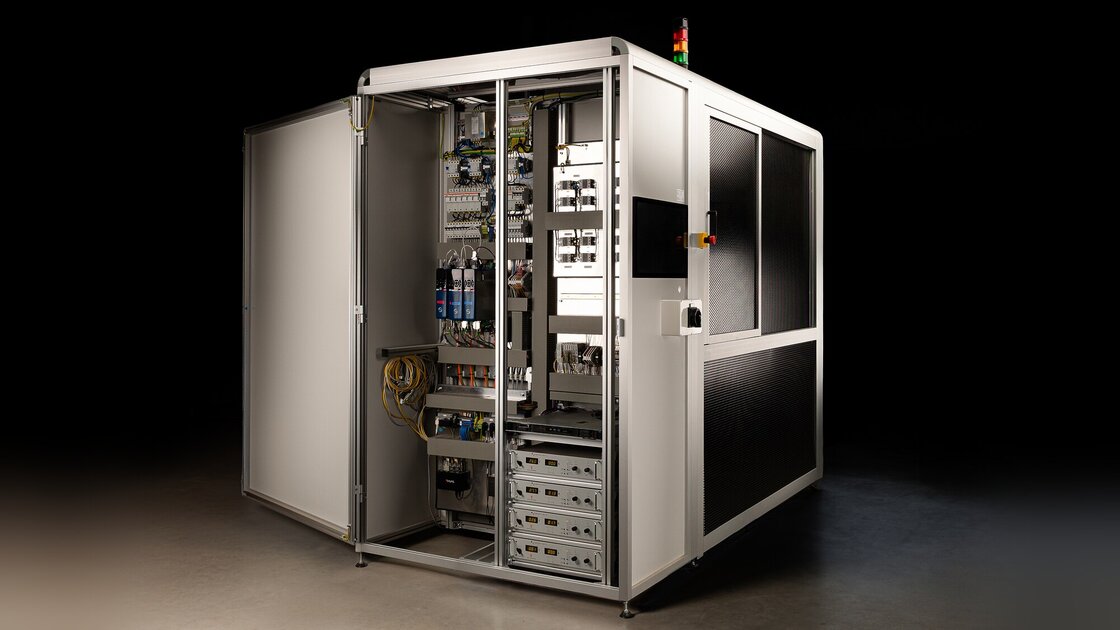
- Hardware-related systemsCalibration and test system for infrared temperature sensors40 sensors per batch in around 1.5 hours
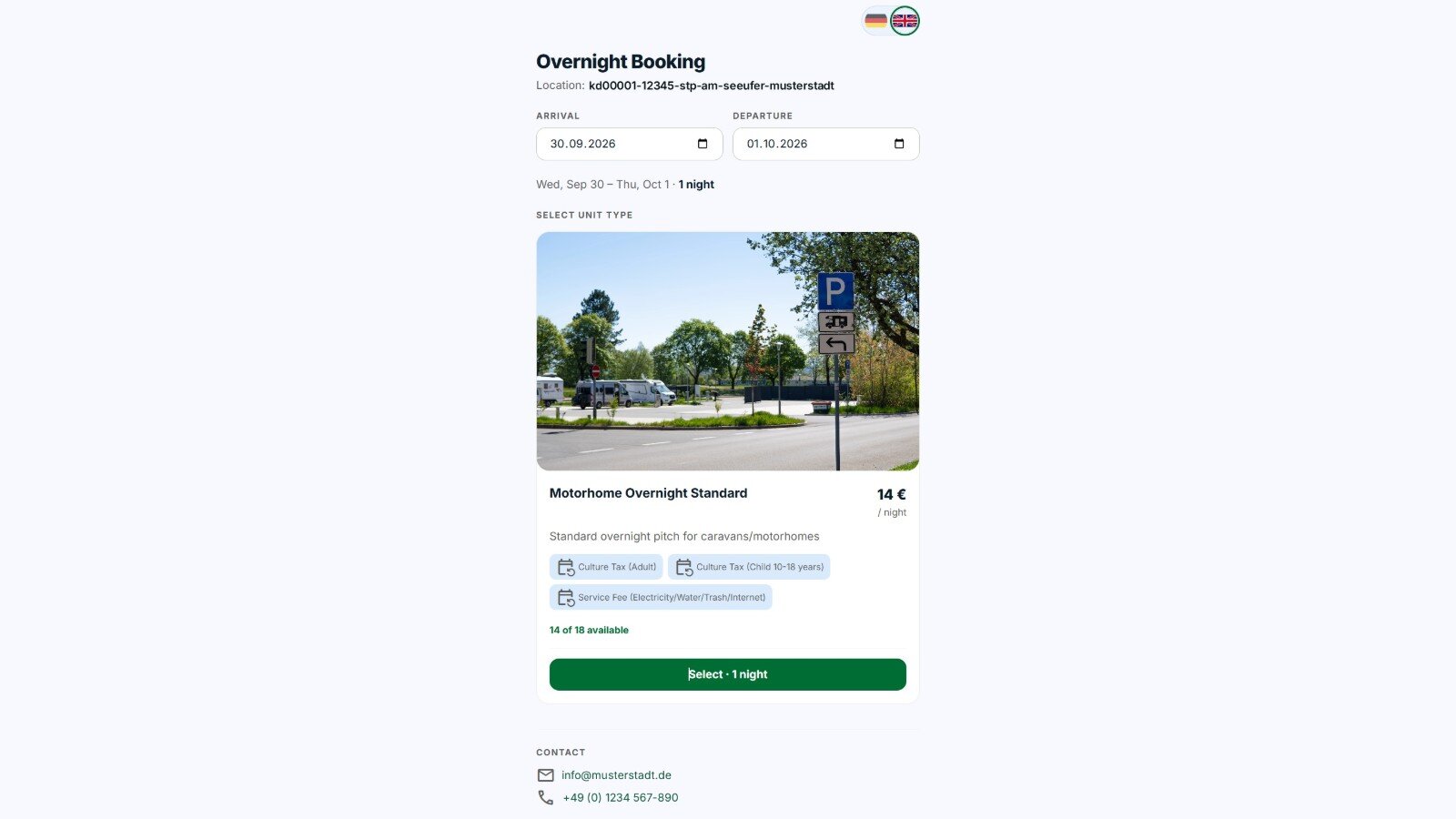 Specialist applicationsBooking platform for camping and parking31 locations for 20 operators with separate instances
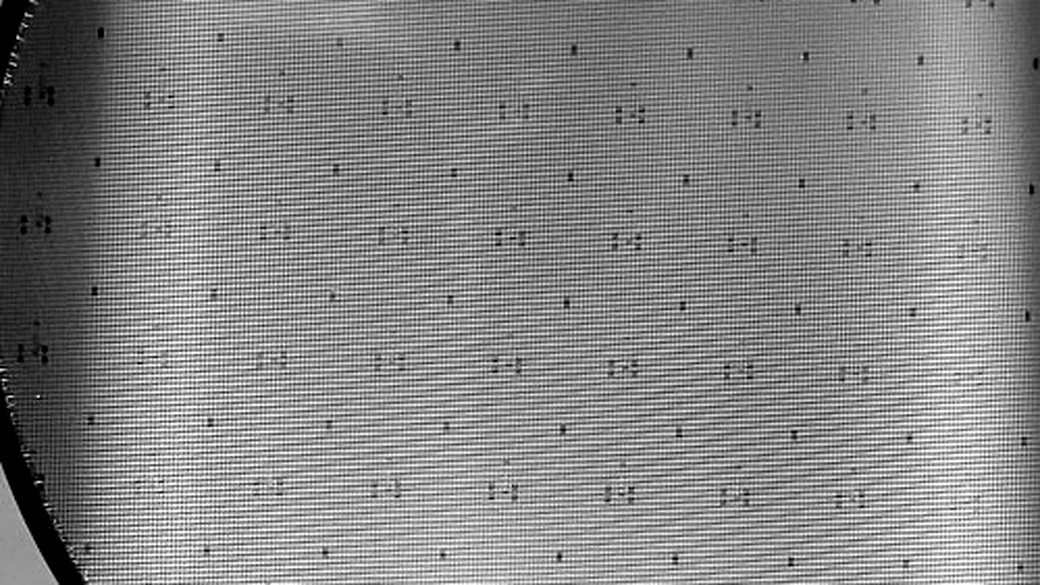 Takeover and modernisationWafer inspection systems taken over−84 % alignment time per wafer, 1:16 instead of 7:44 minutes
More projects with figures, technical data and detailed case studies are listed under References.
How does EPSIA work?
EPSIA starts software projects with clearly defined requirements. Together with the customer, the technical and business requirements are worked out and recorded in a functional specification. On this basis, the software can be developed for an agreed fixed price.
For systems with a hardware connection, software development does not have to wait until machines or devices are fully built. EPSIA models the relevant hardware and processes in simulations, so software functions can be developed and tested early – in some cases before the real hardware is available.
For software quality, EPSIA relies on defined, verifiable development rules. Software architecture and source code are analysed automatically and assessed against fixed criteria. As a result, compliance with key quality requirements does not depend solely on manual reviews or the experience of individual developers.
At the end of the project, the customer receives the complete source code, reproducible builds, the agreed technical documentation and the associated evidence.
More under How EPSIA works.
Who does EPSIA work for?
EPSIA develops custom software for companies whose products, machines or technical processes cannot be adequately covered by standard software. These include device manufacturers, machine and plant operators, start-ups with their own hardware, mid-sized companies and operators of existing software systems.
EPSIA has project experience in a range of technical industries, including semiconductor manufacturing, measurement technology, consumer goods manufacturing, precious metal processing, safety and security technology, and utility technology.
What these projects have in common is the need for software that works reliably, remains maintainable in the long term and is tailored to the specific technical or operational task.
How does a project with EPSIA start?
A project with EPSIA starts with a clearly defined first step. This can be an architecture check, the analysis of an existing software system, or working out the requirements and a functional specification together.
This first step has a defined scope and an agreed fixed price. It provides a reliable basis for decisions and planning before the actual software development begins.
Companies can briefly describe their project using the contact form. EPSIA then works out with the customer which first step suits the software project.